

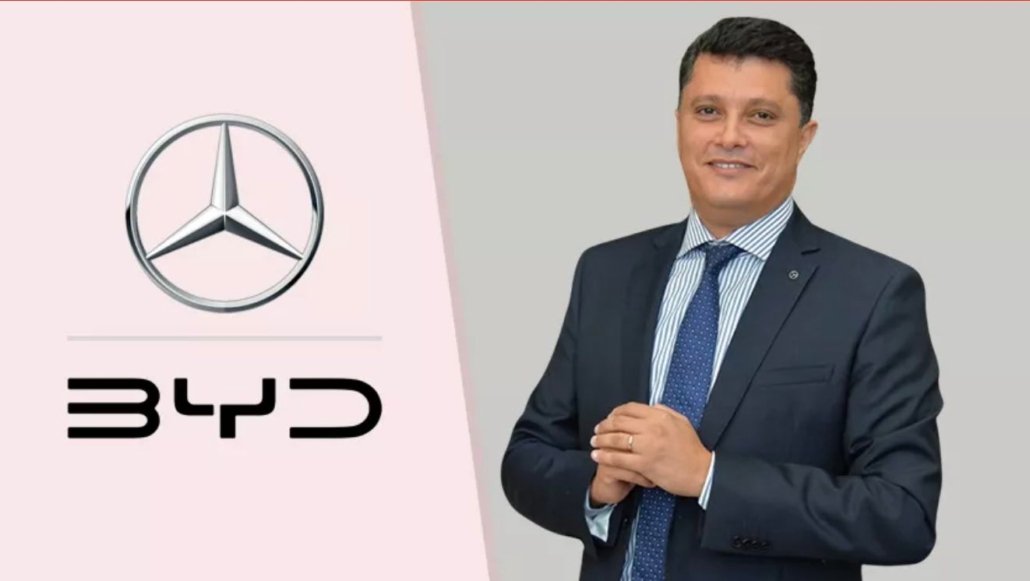
As Growth Slows in the West, China’s BYD Accelerates Its African Strategy
As Western markets tighten their doors to Chinese automakers, BYD — now the world’s leading producer of electrified vehicles — is shifting gears. Confronted with regulatory barriers in the United States and rising scrutiny in Europe, the Chinese giant is redirecting part of its global expansion towards a region still rich in potential: Africa.
Africa, long perceived as a marginal market by global carmakers, is becoming a strategic frontier. Rapid urbanisation, a young population, low motorisation rates, and governments eager to attract industrial investment are reshaping the landscape. For BYD, the continent offers something Western markets no longer do: room to grow, space to experiment, and opportunities to build early leadership.
A Slowing Western Engine, and a Window of Opportunity
The shift is unmistakable. In the United States, higher import tariffs and an openly protectionist stance have virtually shut the door to Chinese electric-vehicle brands. In Europe, BYD faces anti-subsidy investigations and political resistance that could slow its market penetration. This Western backlash comes just as BYD overtakes Tesla in global EV sales and seeks new outlets to sustain its growth curve. Africa, where car ownership remains far below global averages and where demand for affordable mobility is booming, now stands out as a natural extension point.
BYD’s Three-Pillar Strategy in Africa
Over the past two years, BYD has quietly but steadily built a continental strategy based on three pillars:
1. Expanding its Commercial Footprint
South Africa is BYD’s beachhead. The brand plans to multiply its dealerships in the country, already Africa’s most sophisticated automotive market.
Elsewhere — Morocco, Egypt, Kenya, Ethiopia — its electric and plug-in hybrid models are entering showrooms with growing visibility.
The objective is clear: establish BYD as the reference brand for electrified mobility in Africa before competitors can reposition themselves.
2. Strengthening Local Partnerships
BYD is no longer content with being an exporter of vehicles. It is building alliances with:
- large dealership groups,
- ride-hailing and mobility operators,
- energy and solar-battery companies.
This positions BYD not just as a car manufacturer but as an integrated mobility provider, able to offer vehicles, charging systems, and fleet solutions.
3. Laying the Groundwork for Future Industrialisation
While BYD has not yet announced a full manufacturing plant on the continent, discussions about local assembly — through CKD (Completely Knocked Down) models — are advancing in several countries.
Such a move would:
- reduce import tariffs,
- lower consumer prices,
- improve access to public procurement,
- and anchor BYD more deeply in local ecosystems.
Why Africa Matters to BYD
Several structural factors explain BYD’s growing interest:
• A market with enormous room for growth
Africa’s motorisation rate is one of the lowest in the world. Even modest increases in purchasing power translate into significant demand for new vehicles.
• A natural market for affordable electrified vehicles
BYD’s strength lies in competitively priced EVs and hybrids — exactly what several African countries need as fuel prices rise and budgets tighten.
• Proximity to battery-critical minerals
Africa holds some of the world’s largest reserves of cobalt, lithium, and manganese. Securing partnerships on the continent could support BYD’s upstream supply chain.
• A favourable geopolitical environment
China’s longstanding economic influence in Africa — infrastructure, energy, mining, telecoms — gives BYD an ecosystem of diplomatic and corporate bridges to rely on.
A More Competitive Landscape Than It Seems
BYD’s advance is not without obstacles. Competition is intensifying:
- Chinese rivals like Chery and Great Wall Motors,
- Korean brands like Hyundai and Kia,
- and established players like Toyota, Nissan, and Renault.
In parallel, Africa presents structural challenges:
- limited charging infrastructure,
- unstable electricity in several regions,
- dominance of the used-car market,
- and limited purchasing power in many cities.
To succeed, BYD will need to adapt its product mix — prioritising hybrids, rugged models, and robust maintenance networks — rather than relying solely on pure EVs.
African Countries as Strategic Partners
Countries such as South Africa, Egypt and Morocco are emerging as BYD’s preferred gateways. Morocco, in particular, holds strategic appeal thanks to its mature automotive ecosystem, strong export capacity and world-class logistics platforms such as Tangier Med. Egypt offers a large domestic market and growing industrial ambitions. East Africa — Kenya, Ethiopia, Tanzania — shows strong demand for electrified buses and urban mobility solutions. Across these regions, governments are increasingly positioning the automotive industry as a pillar of industrialisation. BYD’s arrival fits this agenda.
A Calculated Pivot — and a Bet on the Future
BYD’s African strategy is less a detour and more a long-term investment. As Western markets become more restrictive, Africa offers the opposite: openness, need, demographic vibrancy, and an industrial future still to be shaped.
Its early presence could allow BYD to:
- define consumer expectations in the EV segment,
- influence charging-infrastructure standards,
- build integrated supply chains,
- and anchor itself before other global players accelerate.
If Africa becomes, within a decade, a major hub for EV assembly or battery components, BYD will have planted the seeds at the right moment. For African countries, the opportunity is equally important: converting BYD’s push into real industrial benefits — jobs, investment, technology, and stronger local ecosystems — rather than merely increasing imports.




Laisser un commentaire
Rejoindre la discussion?N’hésitez pas à contribuer !